

Introduction
In the dynamic realm of virtual tours, 3Dvista stands out as a revolutionary force, redefining the standards and expectations of immersive experiences. As virtual reality (VR) continues to permeate various industries, 3Dvista leverages this technology to offer cutting-edge virtual tour solutions. This article delves into how 3Dvista is transforming the virtual tour experience, with a focus on its innovative features, real-world applications, and the broader impact on business and marketing strategies.
The Evolution of Virtual Tours

From Panoramic Shots to Immersive Experiences
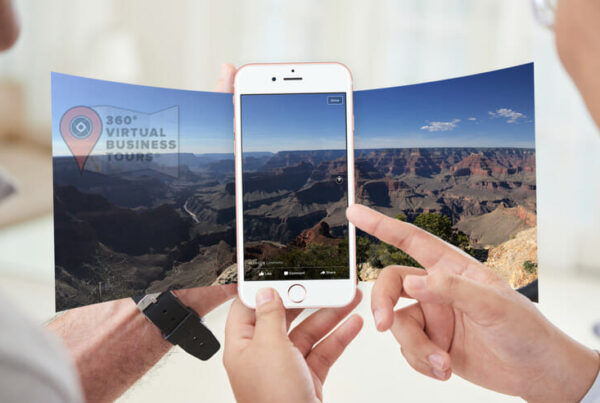
The journey from static panoramic shots to fully immersive virtual experiences marks a significant leap in how we interact with digital spaces. Initially, panoramic photography allowed us to capture wide-angle views, providing a sense of place and context. However, the advent of virtual reality (VR) has transformed these static images into dynamic, interactive environments.
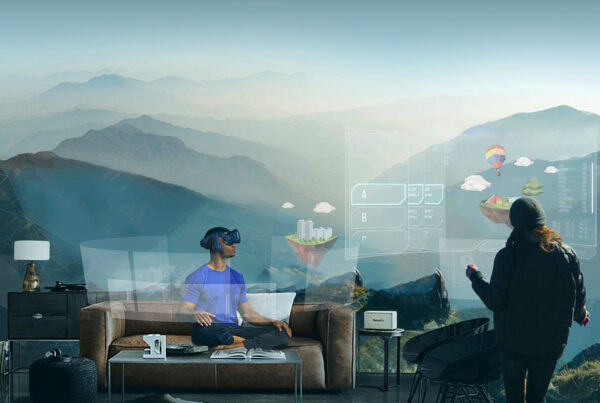
With VR, users can put on a VR headset and embark on a 360-degree tour, gaining a comprehensive understanding of a location’s layout and feel without leaving their home. This shift towards immersive experiences has revolutionized industries, particularly real estate, where enhanced visualization leads to greater buyer engagement and interest.
Tip: When exploring a virtual tour, take the time to interact with the environment. Open doors, switch lights on and off, and zoom in on details to fully appreciate the space.
The table below highlights the contrast between traditional and VR-enhanced property tours:
| Feature | Traditional Tours | VR-Enhanced Tours |
|---|---|---|
| View | Static images | 360-degree interactive view |
| Engagement | Passive | Active participation |
| Experience | Limited by photos | Full spatial understanding |
| Accessibility | Physical presence required | Remote access from anywhere |
This evolution signifies more than just a technological advancement; it represents a fundamental change in the way we perceive and interact with digital representations of the real world.
The Role of Technology in Shaping Virtual Realities
The advent of virtual reality (VR) has been a game-changer in the realm of virtual tours. By leveraging the power of VR, 3Dvista has enabled a level of immersion that was previously unattainable with traditional panoramic shots. Users can now step into a virtual environment and interact with it as if they were physically present, which has profound implications for various industries.
Technology is not just about the visual experience; it also encompasses the ease with which users can navigate and explore virtual spaces. The intuitive controls and realistic simulations provided by 3Dvista create a seamless experience that captivates users and keeps them engaged.
- Enhanced realism through high-definition visuals
- Interactive elements that allow for user engagement
- Simulated environments that offer a true-to-life experience
Tip: When creating a virtual tour, focus on the user journey to ensure a natural and intuitive navigation experience.
The impact of technology on virtual tours extends beyond the visual. It also includes the analytics and data that help businesses understand user behavior and preferences. This data-driven approach enables continuous improvement of virtual experiences, ensuring they remain relevant and effective.
Understanding 3Dvista’s Innovative Approach

The Core Features of 3Dvista Software
3DVista offers a suite of powerful tools designed to create comprehensive virtual tours that are both engaging and informative. At the heart of its functionality is the ability to stitch together panoramic images into seamless 360-degree views, providing an immersive experience that closely mimics physical presence in a space.
Key features include:
- Interactive Hotspots: Enabling viewers to interact with the tour by clicking on points of interest to learn more or navigate through the space.
- Live Panoramas: Capturing the ambiance of a location with time-lapse panoramic sequences that reflect changes in lighting and environment.
- Virtual Reality (VR) Compatibility: Allowing users to dive into a fully immersive experience using VR headsets.
- Multimedia Integration: Embedding video, audio, and text to create a rich narrative within the tour.
- Customizable Skins and Templates: Offering a variety of pre-designed layouts that can be tailored to match branding or specific design needs.
Tip: To maximize engagement, utilize the multimedia integration feature to include interviews, ambient sounds, or background music that enhances the storytelling aspect of your virtual tour.
User-Friendly Interface and Accessibility
3Dvista has been designed with the end-user in mind, ensuring that its interface is intuitive and accessible to individuals of all skill levels. The software’s user-friendly nature allows for quick learning and efficient creation of virtual tours, without the need for extensive technical knowledge. This democratization of virtual tour creation is a significant step forward in the industry.
Ease of use is a cornerstone of 3Dvista’s approach, with a clear and logical layout of tools and features. Users can effortlessly navigate through the various options, making the process of assembling a virtual tour as straightforward as possible.
- Drag-and-drop functionality
- Predefined templates
- Interactive help guides
- Customizable settings for advanced users
Tip: Start with a template to quickly get a feel for the capabilities of the software, then experiment with customizing your tour to make it truly unique.
Accessibility extends beyond the interface to the support provided by 3Dvista. A robust online community and comprehensive documentation ensure that users can find answers to their questions and learn best practices for creating compelling virtual experiences.
Technical Insights: How 3Dvista Works

Breaking Down the Software’s Architecture
At the heart of 3Dvista’s architecture lies a robust framework designed to handle the complex demands of creating and viewing virtual tours. The software is built on a foundation that supports high-resolution imagery and seamless stitching of panoramic photos, ensuring a smooth and realistic user experience.
Interoperability is a key aspect of 3Dvista, allowing different applications to communicate effectively. This is crucial for automating processes and transitioning from manual to batch operations. The architecture is designed to be scalable, facilitating the integration of new features such as augmented reality and advanced analytics.
Embracing digital transformation, 3Dvista ensures that all components of the virtual tour ecosystem are interconnected, with a comprehensive change management plan and continuous support.
The software’s architecture also emphasizes user accessibility, with a focus on intuitive design and ease of use. This approach is informed by principles of Human-Computer Interaction, ensuring that users can create and navigate virtual tours with minimal training. The architecture supports various forms of content, from interactive quizzes to gamified elements, enhancing the educational value of the tours.
Compatibility with Various Platforms and Devices
One of the standout features of 3Dvista is its compatibility with a wide range of platforms and devices, ensuring that virtual tours are accessible to a broad audience. Whether users are on desktop computers, laptops, tablets, or smartphones, 3Dvista provides a seamless experience across all devices. This cross-platform functionality is crucial for reaching users where they are, whether at home or on the go.
- Desktops & Laptops: Full-featured access with powerful rendering capabilities.
- Mobile Devices: Optimized for touch interfaces and smaller screens.
- Virtual Reality Headsets: Immersive experiences with dedicated VR support.
Flexibility in device support not only enhances user engagement but also ensures that virtual tours can be a part of everyday online activities. For businesses, this means being able to cater to customers regardless of their preferred technology.
Tip: Always ensure your virtual tour content is optimized for the device it will be viewed on to provide the best user experience.
Future Trends in Virtual Tour Technology

Predicting the Next Big Features in Virtual Tours
As the virtual tour technology evolves, we can anticipate a surge in features that make these experiences even more engaging and lifelike. The integration of artificial intelligence (AI) is expected to personalize virtual tours, adapting in real-time to user preferences and behaviors. Imagine a virtual tour that learns what you’re interested in and guides you accordingly, enhancing user interaction and satisfaction.
Another anticipated feature is the use of haptic feedback, providing tactile sensations that mimic the touch and feel of different surfaces and materials within a virtual space. This addition could significantly enrich the sensory experience of a virtual tour.
Tip: When exploring virtual tours, keep an open mind about the potential of new technologies to transform your experience. Embrace the changes, as they may offer unprecedented ways to engage with spaces.
The future may also see virtual tours becoming more accessible and inclusive, with features designed to accommodate users with various disabilities. This not only broadens the audience but also ensures compliance with accessibility standards.
- AI-driven personalization
- Haptic feedback integration
- Enhanced accessibility features
These advancements are poised to redefine the standards of virtual tours, offering a glimpse into a future where digital and physical realities converge seamlessly.
Integrating Augmented Reality with 3Dvista
The integration of augmented reality (AR) with 3Dvista is set to redefine the virtual tour experience, offering a layer of interactivity and information that enhances the user’s immersion. By overlaying digital information onto the real world, AR allows for a more engaging and informative tour, where users can access details about the environment or objects within the virtual space.
Key benefits of AR integration with 3Dvista include:
- Enhanced user engagement through interactive elements
- Real-time information overlay for educational and informative purposes
- Improved navigation within the virtual tour with directional cues and highlights
Tip: When creating AR-enhanced virtual tours, focus on the seamless integration of digital elements to avoid overwhelming the user and ensure a natural experience.
As AR technology continues to evolve, the potential applications within 3Dvista are vast, promising to bring new dimensions to virtual property showcases, tourism experiences, and educational tools. The fusion of AR with virtual tours is not just a novelty; it represents a significant step forward in how we interact with and learn about different spaces and environments.
Frequently Asked Questions
What is 3Dvista and how is it revolutionizing the virtual tour experience?
3Dvista is a software platform that enables the creation of interactive virtual tours. It’s revolutionizing the experience by providing immersive, 3D virtual tours that can be accessed from the comfort of one’s home, enhancing the visualization and engagement for users.
How does virtual reality in real estate benefit potential buyers?
Virtual reality in real estate allows potential buyers to take immersive 3D virtual tours of properties, giving them a realistic sense of the space and layout without physically being there, leading to better-informed purchase decisions.
What future trends in virtual tour technology can we expect to see integrated with 3Dvista?
Future trends may include the integration of augmented reality features, advanced analytics for user engagement, and even more immersive elements such as virtual staging and interactive elements within the virtual tours.







Recent Comments